
Aspiring to Actual Writer: when you finally decide to start writing

This article explores the powerful moment when a writer moves from dreaming about writing to actually doing it. While imagining stories feels exciting and easy, the real transformation happens when you commit to the process and face the reality of writing a first draft.
It highlights the key mindset shift from “aspiring writer” to “active writer,” emphasising the importance of embracing imperfection, building discipline, and creating time intentionally.
Writing requires structure, consistency, and the willingness to push through resistance, especially during the difficult “messy middle” where many writers give up.
Screens vs. Pages: The Sensory Magic of Reading Physical Books for Kids
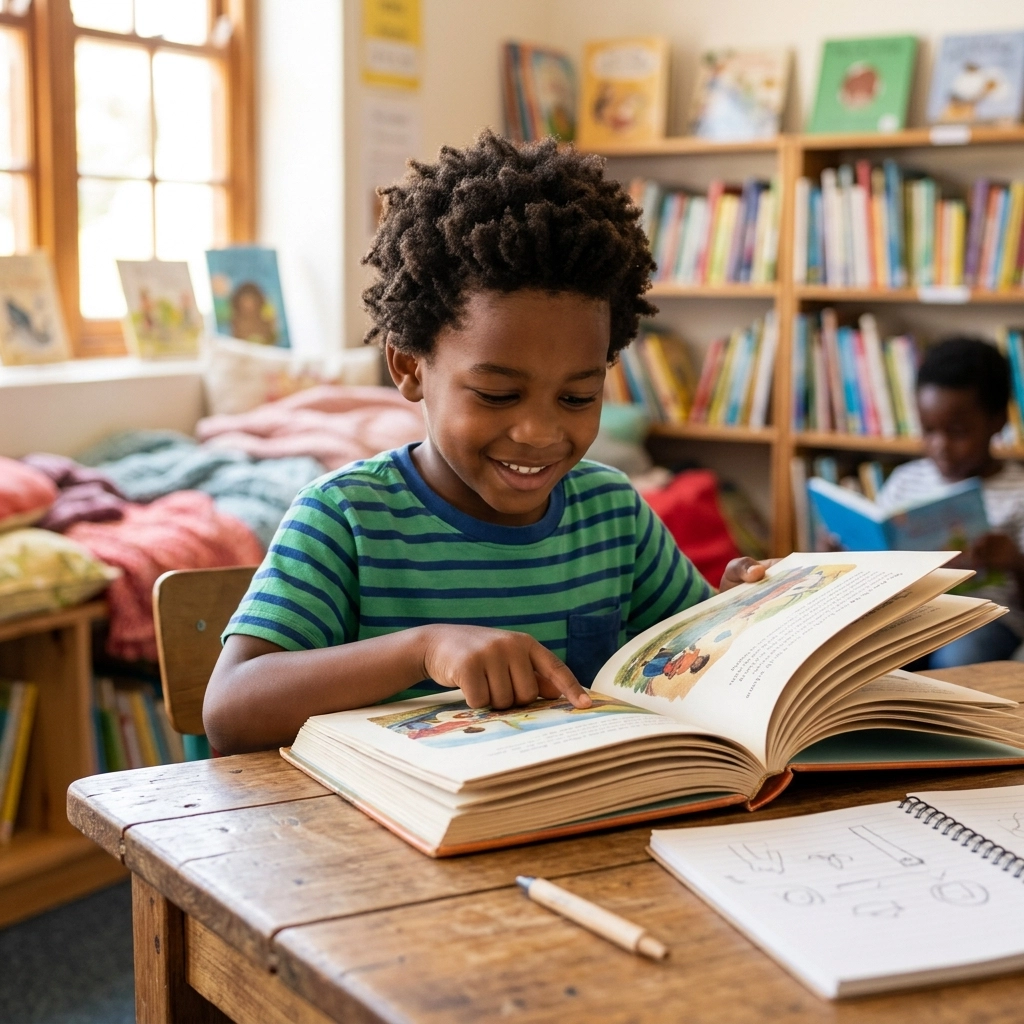
This article explores why physical books still play a vital role in children’s development in a screen-dominated world. While technology has its place, reading physical books offers a unique sensory experience that supports deeper learning, focus, and creativity.
Unlike screens, books engage multiple senses: touch, sight, and even smell, helping children build stronger memory, comprehension, and emotional connections to reading. Physical books also reduce distractions, allowing for deeper concentration and immersion in stories.
Reading from paper encourages patience, imagination, and descriptive thinking, all of which are essential for strong writing skills.
The core message: balancing screen time with physical books helps children become more focused, creative, and confident readers and writers.
5 Editing Mistakes New Writers Make (and How to Avoid Them)

This article guides new writers through one of the most challenging stages of writing a book: editing. While many assume editing is just about fixing grammar and typos, it’s actually about refining the story, strengthening the writing, and improving clarity and flow.
It highlights five common mistakes writers make and how to avoid them.
It discusses the importance of completing a messy first draft before editing, trusting the reader, and using active, engaging language. It also explains why professional editing or coaching can elevate a manuscript from good to publishable.
The key message: editing is where your book truly comes to life.
Conscious storytellers: helping kids write about big topics like diversity and the environment

This article encourages parents to support children in exploring big, real-world topics such as climate change, diversity, and social justice, through creative writing.
Rather than shielding children from complex issues, storytelling provides a safe and powerful way for them to process what they observe and feel.
Through writing, children develop empathy by stepping into different perspectives, while also building critical thinking and confidence. Creative writing helps them move from passive observers to active thinkers, using imagination to explore solutions and express their ideas.
How to write a book and get published (without losing your mind)

Dreaming of writing a book? In this practical guide, author, publisher and writing coach Tolulope Popoola explains what it really takes to go from a blank page to a published book.
The journey starts long before you send a manuscript to literary agents. It begins with reading widely, developing your writing skills, understanding your unique voice, researching your topic, and committing to regular writing. Along the way, you’ll discover why revision is where great books are truly made, why learning about the publishing industry gives you an advantage, and why perseverance is the one quality every successful author shares.
Is AI bad for your child’s creativity? What parents should know about technology and storytelling

This article explores a growing concern among parents: is AI harming children’s creativity and writing skills? While tools like ChatGPT can generate stories instantly, the article argues that AI is not a threat but a tool, if used correctly.
Like a calculator, AI should only be introduced after children learn the fundamentals of writing, including storytelling, structure, and critical thinking.
The article emphasises that AI cannot replace a child’s unique voice, emotions, or life experiences: the very elements that make writing meaningful. However, when used as a brainstorming partner, AI can support idea generation, vocabulary building, and overcoming writer’s block.
The key is balance: combining technology with human guidance, creativity, and real-world experiences to help children become confident, original writers.
From the pitch to the page: why active kids make great writers
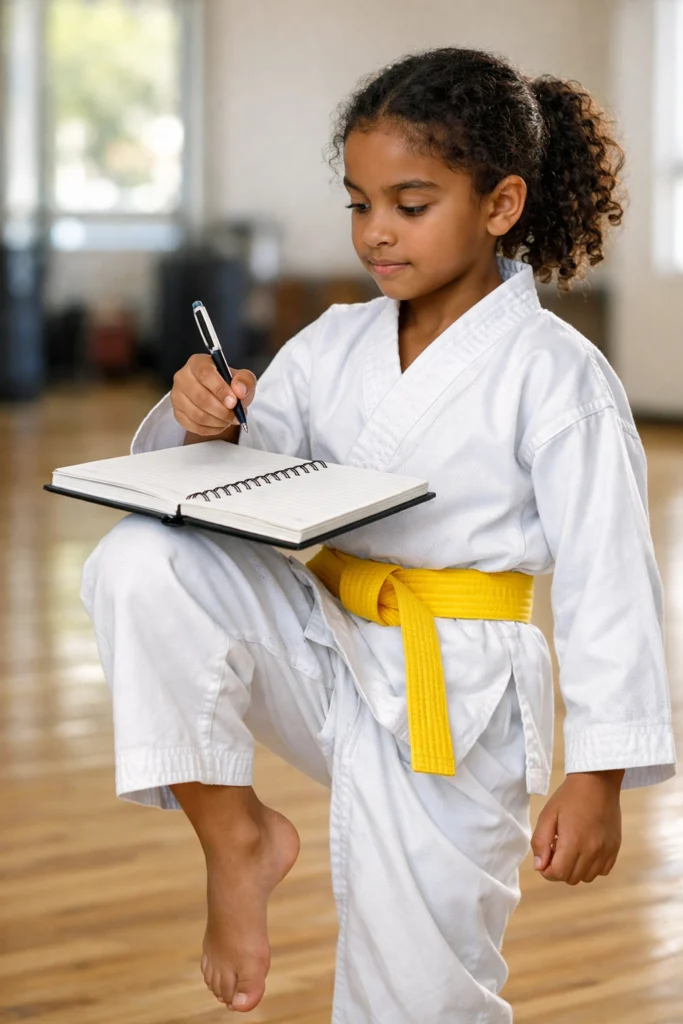
This article challenges the common belief that only “quiet, bookish” children can be good writers. In reality, active and energetic kids often have the perfect foundation for storytelling.
Through sports and physical activity, children develop key skills that translate directly into writing: focus, discipline, resilience, and creativity. Their real-life experiences with competition, teamwork, and emotion naturally equip them to understand story elements like conflict, character development, and tension.
How writing a book changes the way you see yourself

This article explores how writing a book is not just a creative achievement, but a powerful transformation of identity. Many people remain “aspiring writers,” held back by self-doubt and waiting for the right time. However, the moment they commit to writing, they begin shifting from wishing to doing.
Through the process of writing a book, individuals develop their unique voice, build resilience, and gain deep self-confidence. They learn to push through discomfort, overcome imposter syndrome, and see their life experiences as meaningful stories rather than setbacks.
Completing a manuscript proves something powerful: that they are capable of finishing something significant. This internal transformation often changes how others perceive them too, reinforcing their new identity as an author.
The core message: writing a book doesn’t just change what you create, it changes who you become.
Why writing a book is the ultimate self-esteem builder for kids

What if the single, most powerful confidence boost you could give your child was helping them write a book? This is not just another after-school activity, not another worksheet or assignment.
But a real book with their name on the cover.
When children write and finish a book, something extraordinary happens. They learn they can:
Start something big
Push through when it gets difficult
Trust their ideas and creativity
Solve problems independently
Finish what they started
That kind of confidence doesn’t just stay on the page, it shows up in school presentations, leadership, and future opportunities.
Creative writing helps children develop communication skills, imagination, empathy, and resilience, the very skills they need to succeed in life.
When a child realises “My ideas matter”, their whole world opens up.
Read the full article and discover how writing a book can transform your child’s confidence and creativity.
#CreativeWritingForKids #KidsWritingClub #YoungWriters #ParentingTips #ConfidenceForKids #WritingSkills #RaisingReaders #TolulopePopoola #WritingCoach #WritewithTolulope #AccomplishPress
How to turn your child’s love for video games into a creative writing project

Is your child obsessed with video games? What if their screen time could become story time?
Before you worry about “too much gaming,” consider this: modern video games teach world-building, character development, plot structure, and creative storytelling, the same skills used in creative writing. In this article, I share how you can turn your child’s love for Minecraft, Roblox, Zelda or other narrative games into a powerful creative writing project. If you’re a parent of a child or teenager who loves gaming, this could completely change how you see their hobby.
Let’s turn players into authors. ✍️
Read more here.
#CreativeWritingForKids #ParentingTips #ScreenTimeBalance #VideoGames #KidsWhoWrite #LiteracyMatters #YoungWriters #TolulopePopoola #WritingCoach #AccomplishPress
The myth of the grind: why your best ideas happen when you’re not writing

This article challenges the popular “hustle culture” mindset in writing and argues that constant grinding is not the key to creative breakthroughs. While consistency and discipline matter, creative work doesn’t function like an assembly line. Forcing high word counts and working endlessly can lead to burnout, flat storytelling, and frustration.
The piece introduces the psychological concept of incubation, the idea that when writers step away from their manuscript, their subconscious continues solving story problems in the background. Many breakthroughs happen during low-effort activities like walking, cooking, or doing housework, and not while staring at a blinking cursor.
Creative Writing for Kids: The hidden skill that strengthens every other school subject

Parent, if you’re only thinking about English grades, you’re thinking too small. Creative writing builds critical thinking, academic strength across subjects, clear communication skills, resilience and confidence in your child.
The child who can structure a story can structure a science report. The child who can analyse a character can analyse a historical event. The child who can revise a draft can tackle a difficult maths concept.
Creative writing isn’t just a hobby. It’s a life skill.
If you want more than “just passing” for your child, read this article.
#CreativeWritingForKids #ConfidentLearners #CriticalThinking #ParentingWithPurpose #KidsWhoWrite
Featured Story Number #27 – The Superpower

On the last day of summer, four friends hold a long jump competition in a quiet driveway. But when one of them takes his turn, something impossible happens. Instead of landing on the pavement, he finds himself flying through his uncle’s grand manor house just like he did as a child. Moments later, he’s back on the driveway with his friends staring in shock.
Why your author brand matters more than your book cover

You can have the most stunning book cover in your genre and still hear crickets. Your cover might stop the scroll, but your author brand is what makes someone click “buy,” leave a review, and pre-order your next release without reading the blurb.
In a crowded self-publishing world, talent isn’t enough. Visibility isn’t enough. Even a brilliant manuscript isn’t enough. Readers choose writers they know, trust, and feel connected to. If you’re pouring all your energy into your book and ignoring your brand, you’re building on shaky ground.
The question isn’t, “Is my cover good enough?” It’s: “Am I giving readers a reason to follow me beyond one book?”
If you’re serious about becoming an author and not just publishing a book, it’s time to build your brand on purpose.
Second Book Syndrome: How to write your next book after a successful debut

Your first book was published, readers loved it, and now you can’t seem to write the second one.
If that sounds familiar, you’re experiencing what many authors call Second Book Syndrome. The pressure of following a successful debut can leave even experienced writers questioning their talent, battling imposter syndrome, and comparing every new sentence to their polished, published work.
This article explores why the second book often feels so much harder than the first, from tighter deadlines and reader expectations to creative exhaustion and perfectionism. More importantly, it offers practical strategies to help you move forward with confidence.
Why professional support matters for young authors

If your child loves writing and storytelling but feels stuck, frustrated, or unsure how to improve, working with a children’s writing coach could make all the difference. While parents play an essential role in encouraging creativity, professional writing support helps young writers develop the technical skills, structure, and confidence they need to grow.
In this article, we explore how a children’s writing coach provides personalised feedback, teaches essential storytelling techniques such as character development and plot structure, and helps kids set achievable writing goals. Unlike traditional school writing lessons, creative writing coaching focuses on imagination, voice development, and real-world publishing insight tailored specifically for young writers.
The 30-day countdown: A stress-free marketing plan for your book launch

New article – You’ve written the book. The hard, lonely, soul-stretching part is done. And now it’s almost launch day, and suddenly everyone expects you to become a marketing expert overnight. If you’re staring at your calendar thinking, “I have no idea how to do this without burning out,” take a breath. You’re at the part no one warns you about.
A simple 30-day launch window works because it keeps momentum without overwhelming you. It gives you permission to show up imperfectly, talk about your book like a human, and build real connection instead of noise.
From bedtime stories to book deals: How to support your child’s writing dreams

When a child says they want to play football professionally, parents sign them up for training. When they show talent in music, we get them lessons and a proper instrument. But when they want to write? We hand them a notebook and hope for the best.
Taking your child’s writing ambitions seriously doesn’t mean pushing them into early burnout or turning creativity into a chore. It means recognizing that if they’re passionate about storytelling, they deserve the same support and structure we’d give any other meaningful pursuit.
Why most writing advice ignores real-life constraints

Most writing advice for aspiring authors comes from a good place. But most of it was written by people who don’t have your own life. They don’t know about your demanding full-time job, your hectic business, your kids who need help with homework, or your ageing parent who needs care three evenings a week.
If you’re juggling a high-powered job or running a business and raising kids, your “free time” isn’t really free. You’re managing deadlines, clients, team issues, school runs, homework help, packed lunches, bedtime routines, and that invisible mental load that seems to follow you into every room.
So no, you’re not “lazy” or “undisciplined” if you’re not writing daily. You’re carrying a lot.
But I believe if you have a story inside you, you deserve the support to tell it – regardless of how busy, messy, or complicated your life might be.
Writing when you’re tired, not inspired

Too tired to write? That might be exactly when you should.
Some of the most honest writing I’ve done hasn’t come from inspiration or clarity. It’s come at the end of long days, when my brain was dull, my energy was low, and I didn’t have the strength to overthink.
The quiet truth: when you’re tired, your inner critic is tired too. That voice that nitpicks every sentence loosens its grip. You stop trying to be clever. You stop performing. And something raw, something real and true slips onto the page.
Waiting for perfect conditions is one of the fastest ways to stay stuck. Writing while tired isn’t laziness or lack of discipline. It’s often how work actually gets finished.
So if you’ve got ten quiet minutes tonight and a story that won’t leave you alone, don’t wait to feel inspired. Just write truthfully. That’s often more than enough.