
What it means to take writers seriously, especially children

Children are natural storytellers. The worlds they create, the characters they invent, the questions they ask; those are not distractions from “real learning.” They are learning. And when their stories are dismissed as cute or unimportant, something powerful gets silenced.
Taking young writers seriously doesn’t mean pretending every story is perfect. It means listening, providing resources, offering guidance and celebrating effort, not just outcomes. It means saying, “Your voice matters.”
When children feel seen as writers, they don’t just write better stories, they grow into confident thinkers and communicators who aren’t afraid to share their ideas.
Why most writers edit too early and sabotage momentum

Your first draft is not meant to be impressive, it’s meant to exist. Stories are discovered by moving forward, not by endlessly fixing what you already know. Every time you switch from writing to editing, you slam the brakes on your creative momentum. No wonder the story stalls.
How storytelling helps children reclaim agency

When children are given the space to tell stories, something powerful happens. They stop being passengers in their experiences and start becoming authors of them.
Through storytelling, children practice choice, they explore fear safely, they imagine solutions before they face them.
The brave princess, the misunderstood dragon, the child who finds their way through chaos; these aren’t “just stories.” They’re rehearsals for real life.
The discipline required to write alongside a full-time job

Trying to write a book while working full-time can feel like living two lives and failing at both. One pays the bills, while the other keeps tapping you on the shoulder, whispering, “What about me?”
Writing alongside a full-time job isn’t about grand gestures or weekend retreats. It’s about showing up when you don’t feel like it. Choosing consistency over intensity. Progress over perfection. Words on the page over perfect prose in your head.
What publishers actually look for beyond “good writing”

It is true; having brilliant prose isn’t enough to get published. After all those hours perfecting your sentences and agonizing over word choices, this feels like a betrayal. But understanding what publishers really want will actually make you a stronger writer and give you a much better shot at getting that yes.
Why creative expression is not a luxury for children

Creative expression isn’t the cherry on top of a child’s education. It’s not a luxury reserved for families with extra time and money. It’s actually one of the most fundamental building blocks of healthy child development, right up there with learning to read and basic numeracy.
Why finishing drafts matters more than talent

The most naturally gifted writer in your writing group probably isn’t the one who’ll get published first. It’s the one who actually finishes their drafts.
Does talent matter? Yes it does. But talent without the ability to finish projects is like having a sports car with no engine. It might look impressive, but it’s not taking you anywhere.
How we are nurturing the next generation of storytellers

At Accomplish Press, we’ve made it our mission to give young people the tools to share their inner worlds and ideas with the rest of us. But nurturing the next generation of storytellers isn’t just about teaching kids to write pretty sentences (though that’s part of it). It’s about fostering creativity, building confidence, and showing young minds that their stories matter.
Happy New Year 2026! Starting with a Blank Slate

Before you dive headfirst into your writing goals for 2026, take a moment to create what I call a “writing manifesto”, a personal declaration of why you write and what you hope to achieve through your creative practice.
Dear writer, you’re exactly where you need to be

As the year comes to a close, many writers find themselves reflecting on unfinished drafts or missed goals. This encouraging article is a reminder that your writing journey is unfolding exactly as it should.
Why you’re not too old to start writing that book

Your years of living aren’t just background noise; they’re your raw material. Every job you’ve hated, every relationship that taught you something, every mistake that made you wiser, that’s all fodder for your writing. In non-fiction especially, deep knowledge of your subject matter is essential. You might not have possessed that expertise in your twenties or thirties. Now you do.
How daily creative writing practice can boost your child’s problem-solving skills

The brain science behind creative writing and problem-solving – When children engage in creative writing, they activate multiple areas of the brain simultaneously. They’re organizing thoughts, choosing precise words, structuring ideas with clarity, and managing several story elements at once: plot, characters, dialogue, and setting. This mental juggling act is exactly the kind of cognitive flexibility that translates directly into academic success.
Getting unstuck: everything aspiring authors need to succeed

The path from aspiring author to published author isn’t always smooth, but it’s absolutely possible. Every successful writer was once where you are now, staring at a blank page and wondering if they had what it takes.
Why professionals should turn their expertise into books

A book doesn’t just establish your expertise: it creates opportunities that didn’t exist before. Speaking engagements, consulting offers, media interviews, and partnership proposals all become significantly easier to secure when you have a published work to point to.
How to inspire your child to start writing stories

Whether your child is naturally drawn to books or seems more interested in video games and sports, every kid has stories inside them waiting to come out. As parents and carers, we have the power to unlock that creativity and help our children discover the joy of bringing their imaginations to life through words.
The magic happens when you start writing. Once your fingers are moving and words are appearing on the page, momentum builds. You remember that you actually can do this writing thing.
Struggling with writer’s block? 50+ creative writing prompts to get unstuck
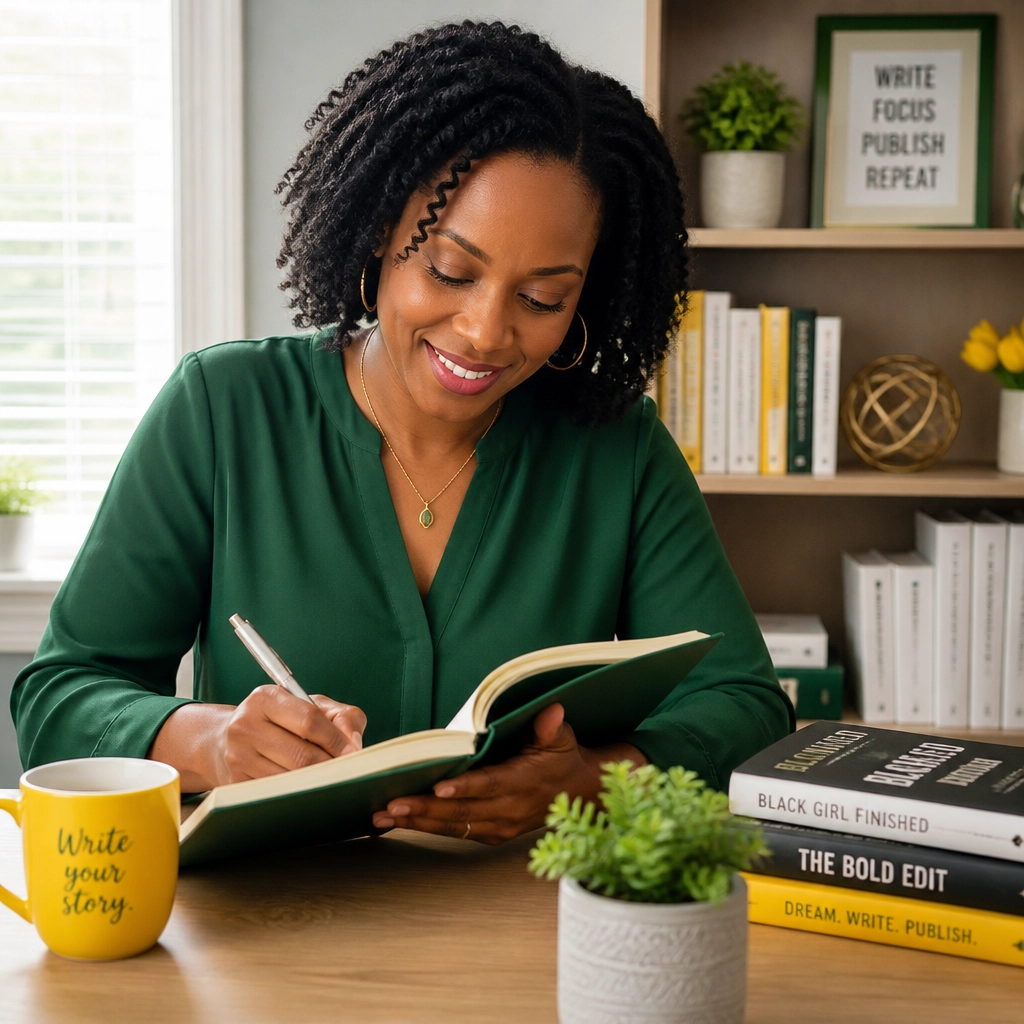
A good prompt does three things: it gives your brain a specific starting point, removes the paralysis of infinite choice, and tricks you into writing without the weight of expectations. You’re not writing your magnum opus: you’re just responding to a silly scenario about a talking frog or exploring what happens when someone receives an unusual gift.
The magic happens when you start writing. Once your fingers are moving and words are appearing on the page, momentum builds. You remember that you actually can do this writing thing.
Featured Story Number #26 – Disaster at the Fair

When a thrilling fair ride malfunctions, Josephine and her friends race against time to save trapped passengers. Amid smoke, sparks, and rising panic, the teens battle fear and failure to shut down the runaway ride. Disaster at the Fair is an adventure about courage, teamwork, and acting fast in danger.
Featured Story Number #25 – The Cat in the Library

When mysterious sounds echo through an empty school library, Harper and her friends fear a ghost. Their mission leads to a heartwarming surprise. The Cat in the Library is a cosy mystery about friendship, bravery, and an unexpected new pet.
How to develop strong characters your readers will love

You’ve probably experienced it yourself: getting completely absorbed in a book because you genuinely cared what happened to the main character. Maybe you stayed up way too late reading because you had to know if the heroine would end up with her Prince Charming, or you found yourself rooting for your favourite character even when she made questionable decisions.
How to turn your child’s everyday experiences into story ideas

Seemingly ordinary moments in your child’s day are actually goldmines for creative writing ideas. Every scraped knee, every argument with a sibling, every trip to the grocery store contains the seeds of compelling stories.