
Featured Story Number #28 – Dear Diary

We are sharing the next story in our series, Featured Short Stories, written by students in the Creative Writing Club.
Every week, the students in the club work on writing short stories, sometimes from their own ideas, and sometimes from story prompts. This assignment was to practice writing a story in first person point of view, and the young author wrote a diary-style narrative 🙂
This week’s story was written by Anaiya, aged 10. Enjoy!
Audio, digital, physical and interactive: 4 ideas for publishing your child’s book
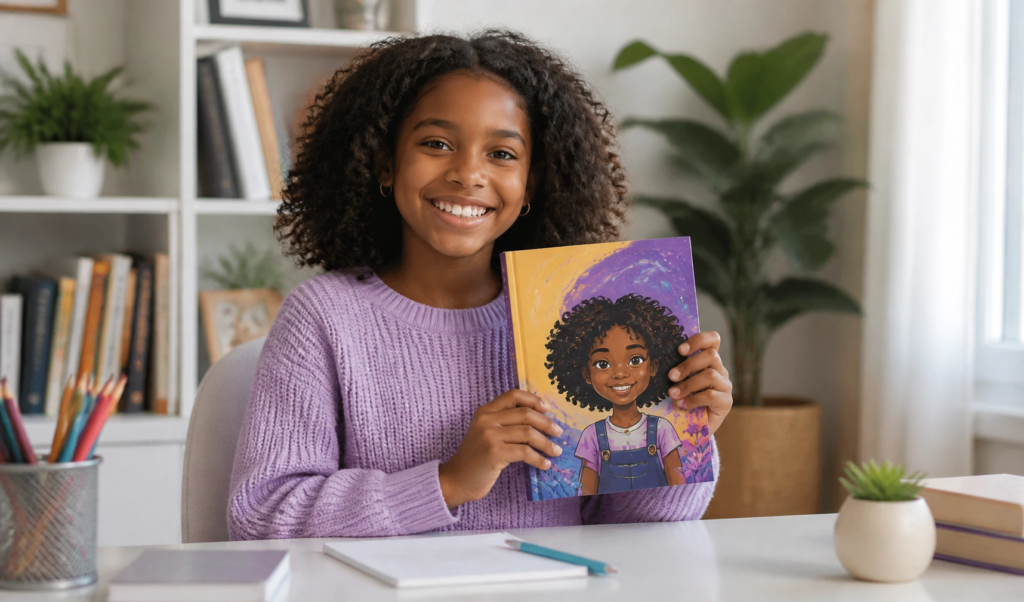
There’s something incredibly special about a young writer seeing their name on the cover of a published book. But once your child has written their story, another question appears: what’s the best way to publish it?
This article explores four exciting options for publishing your child’s book: physical books, ebooks, audiobooks, and interactive or activity books. But there is no single format that suits every young writer.
The article encourages parents to consider their child’s personality, the type of book they’ve written and what they hope to achieve. Most importantly, children should be involved in the decision. Publishing isn’t simply about producing a book. It can teach creativity, perseverance, communication, confidence and ownership, while giving young writers the extraordinary experience of saying: “I wrote that.”
How beta readers can help your manuscript before you hire an editor

You’ve finished your manuscript, revised it, reread it and reached the point where you’re simply too close to the story to see what isn’t working. That’s where beta readers can be invaluable.
This article explains how beta readers act as test readers for a near-finished manuscript, helping authors discover plot holes, pacing problems, confusing character motivations, weak openings and unsatisfying endings before investing in professional editing.
10 reasons your novel progress has stalled (and how to finally finish your book)

Every writer knows the feeling. You begin your novel full of excitement, only to hit a wall halfway through. Suddenly the words stop flowing, self-doubt creeps in, and finishing your book feels impossible.
In this article, I explore the 10 most common reasons writers get stuck, from perfectionism and imposter syndrome to the dreaded “messy middle,” shiny new ideas, lack of routine, plot problems, and research rabbit holes.
More importantly, I share practical strategies to overcome each obstacle and regain momentum so you can finish your book.
If your manuscript has been gathering dust, this guide will help you identify what’s really stopping you and give you the confidence to finally type those two magical words: The End.
4 Self-Publishing Options for Your First Book: Audio, Digital, Physical, and Interactive

In this practical guide, author, publisher and writing coach Tolulope Popoola explores the four main self-publishing formats available to today’s authors and explains the advantages and disadvantages of each. You’ll learn which formats offer the greatest reach, the highest royalties, the strongest credibility, and the best opportunities to grow your author brand.
The article also explains why you don’t need to publish every format at once, offering a simple publishing roadmap that helps new authors launch strategically without becoming overwhelmed. Whether you’re writing fiction, memoir, children’s books or business books, you’ll discover how to choose the publishing format that best serves your readers and your long-term goals.
The Legacy Project: Why your children and grandchildren need you to write your memoir

This article encourages parents, grandparents, and older adults to preserve their life stories as a lasting gift for future generations. It challenges the belief that only extraordinary lives are worth writing about, arguing that everyday experiences, family history, personal values, and lessons learned are often the most meaningful stories of all.
The article explores how memoir writing helps pass down family heritage, wisdom, resilience, and identity. It highlights research showing that children who know their family history tend to have stronger self-esteem and emotional resilience. Readers are encouraged to see their book as a legacy project that preserves their voice, experiences, and values for children and grandchildren.
7 Mistakes you’re making with a blank page (and how to fix them)

This article tackles one of the biggest challenges writers face: the dreaded blank page. The fear of the blank page is often caused not by a lack of ideas, but by habits and mindsets that sabotage progress before the writing even begins.
The article identifies seven common mistakes writers make. For each mistake, practical solutions are offered, such as embracing messy first drafts, focusing on progress over perfection, and trusting your natural voice.
The key message is simple: writing a book is not about brilliance or perfection. It’s about persistence, consistency, and showing up even when the page is blank. The only way to defeat the blank page is to start writing.
Memoir or Business Book? Helping professional women choose the right format for their story

This article helps professional women decide whether their story is best suited as a memoir, a business book, or a hybrid of both. It explains that a memoir focuses on personal transformation, emotional truth, and life experiences, while a business book is designed to teach, solve problems, and establish authority in a specific field.
For many women, the ideal solution is often a business memoir – a book that combines powerful personal stories with practical lessons and professional expertise. The article encourages aspiring authors to think carefully about their goals, audience, desired impact, and level of personal vulnerability before choosing a format.
It also addresses the common trap of overthinking and procrastination, reminding writers that clarity often emerges through the writing process itself. Ultimately, the message is simple: your story has value, and the most important step is to start writing.
7 Reasons Why Authors Should Have a Blog (And How to Set One Up)

Starting an author blog is one of the smartest investments an aspiring writer can make. Unlike social media, your blog is a platform you own, giving you a permanent home to showcase your work, build your author brand, and connect directly with readers.
The article explains seven key benefits of blogging, including building an author platform, improving writing consistency, showcasing your skills, testing new ideas, growing a loyal audience, establishing yourself as an expert, and creating future opportunities such as speaking engagements, coaching, and book sales.
It also offers practical advice on choosing the right blogging platform, securing a domain name, creating essential website pages, and developing a realistic content schedule. Finally, it encourages both adult and young writers to begin blogging before their book is finished, allowing them to build an engaged audience ready for launch.
Conflict: Why your characters need a “No” before they get a “Yes”

I’ve seen it happen so many times. A talented writer comes to me with a beautiful premise, lovely prose, and characters they clearly adore. But about thirty pages in, the story just… stalls. It feels like a car that’s run out of petrol on a flat road. There’s no momentum, no urgency, and honestly, no […]
Conversations: The secret to writing dialogue that flows instead of clunks

This article explores why writing natural, engaging dialogue is one of the hardest and most important skills in fiction writing. Great dialogue should feel realistic without copying real-life conversation word for word, which is often repetitive and dull.
The article explains common mistakes that make dialogue sound clunky. It also highlights the importance of subtext, rhythm, action beats, and reading dialogue aloud to improve flow.
The core lesson: dialogue should move the plot, reveal character, and create tension naturally.
Aspiring to Actual Writer: when you finally decide to start writing

This article explores the powerful moment when a writer moves from dreaming about writing to actually doing it. While imagining stories feels exciting and easy, the real transformation happens when you commit to the process and face the reality of writing a first draft.
It highlights the key mindset shift from “aspiring writer” to “active writer,” emphasising the importance of embracing imperfection, building discipline, and creating time intentionally.
Writing requires structure, consistency, and the willingness to push through resistance, especially during the difficult “messy middle” where many writers give up.
5 Editing Mistakes New Writers Make (and How to Avoid Them)

This article guides new writers through one of the most challenging stages of writing a book: editing. While many assume editing is just about fixing grammar and typos, it’s actually about refining the story, strengthening the writing, and improving clarity and flow.
It highlights five common mistakes writers make and how to avoid them.
It discusses the importance of completing a messy first draft before editing, trusting the reader, and using active, engaging language. It also explains why professional editing or coaching can elevate a manuscript from good to publishable.
The key message: editing is where your book truly comes to life.
Conscious storytellers: helping kids write about big topics like diversity and the environment

This article encourages parents to support children in exploring big, real-world topics such as climate change, diversity, and social justice, through creative writing.
Rather than shielding children from complex issues, storytelling provides a safe and powerful way for them to process what they observe and feel.
Through writing, children develop empathy by stepping into different perspectives, while also building critical thinking and confidence. Creative writing helps them move from passive observers to active thinkers, using imagination to explore solutions and express their ideas.
How to write a book and get published (without losing your mind)

Dreaming of writing a book? In this practical guide, author, publisher and writing coach Tolulope Popoola explains what it really takes to go from a blank page to a published book.
The journey starts long before you send a manuscript to literary agents. It begins with reading widely, developing your writing skills, understanding your unique voice, researching your topic, and committing to regular writing. Along the way, you’ll discover why revision is where great books are truly made, why learning about the publishing industry gives you an advantage, and why perseverance is the one quality every successful author shares.
Is AI bad for your child’s creativity? What parents should know about technology and storytelling

This article explores a growing concern among parents: is AI harming children’s creativity and writing skills? While tools like ChatGPT can generate stories instantly, the article argues that AI is not a threat but a tool, if used correctly.
Like a calculator, AI should only be introduced after children learn the fundamentals of writing, including storytelling, structure, and critical thinking.
The article emphasises that AI cannot replace a child’s unique voice, emotions, or life experiences: the very elements that make writing meaningful. However, when used as a brainstorming partner, AI can support idea generation, vocabulary building, and overcoming writer’s block.
The key is balance: combining technology with human guidance, creativity, and real-world experiences to help children become confident, original writers.
From the pitch to the page: why active kids make great writers
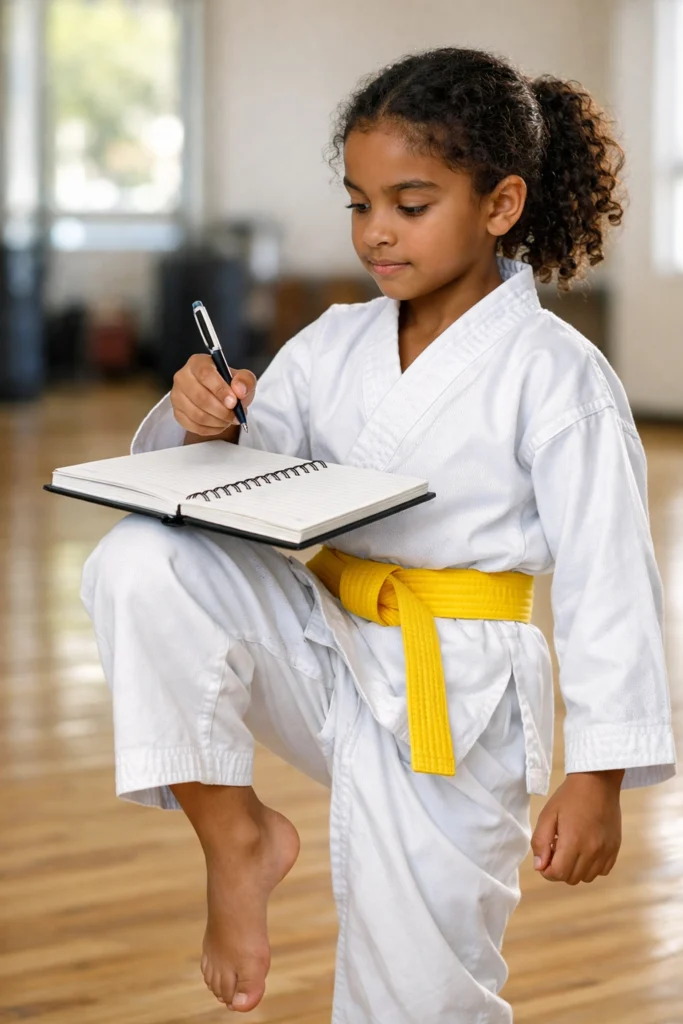
This article challenges the common belief that only “quiet, bookish” children can be good writers. In reality, active and energetic kids often have the perfect foundation for storytelling.
Through sports and physical activity, children develop key skills that translate directly into writing: focus, discipline, resilience, and creativity. Their real-life experiences with competition, teamwork, and emotion naturally equip them to understand story elements like conflict, character development, and tension.
How writing a book changes the way you see yourself

This article explores how writing a book is not just a creative achievement, but a powerful transformation of identity. Many people remain “aspiring writers,” held back by self-doubt and waiting for the right time. However, the moment they commit to writing, they begin shifting from wishing to doing.
Through the process of writing a book, individuals develop their unique voice, build resilience, and gain deep self-confidence. They learn to push through discomfort, overcome imposter syndrome, and see their life experiences as meaningful stories rather than setbacks.
Completing a manuscript proves something powerful: that they are capable of finishing something significant. This internal transformation often changes how others perceive them too, reinforcing their new identity as an author.
The core message: writing a book doesn’t just change what you create, it changes who you become.
Why writing a book is the ultimate self-esteem builder for kids

What if the single, most powerful confidence boost you could give your child was helping them write a book? This is not just another after-school activity, not another worksheet or assignment.
But a real book with their name on the cover.
When children write and finish a book, something extraordinary happens. They learn they can:
Start something big
Push through when it gets difficult
Trust their ideas and creativity
Solve problems independently
Finish what they started
That kind of confidence doesn’t just stay on the page, it shows up in school presentations, leadership, and future opportunities.
Creative writing helps children develop communication skills, imagination, empathy, and resilience, the very skills they need to succeed in life.
When a child realises “My ideas matter”, their whole world opens up.
Read the full article and discover how writing a book can transform your child’s confidence and creativity.
#CreativeWritingForKids #KidsWritingClub #YoungWriters #ParentingTips #ConfidenceForKids #WritingSkills #RaisingReaders #TolulopePopoola #WritingCoach #WritewithTolulope #AccomplishPress
The myth of the grind: why your best ideas happen when you’re not writing

This article challenges the popular “hustle culture” mindset in writing and argues that constant grinding is not the key to creative breakthroughs. While consistency and discipline matter, creative work doesn’t function like an assembly line. Forcing high word counts and working endlessly can lead to burnout, flat storytelling, and frustration.
The piece introduces the psychological concept of incubation, the idea that when writers step away from their manuscript, their subconscious continues solving story problems in the background. Many breakthroughs happen during low-effort activities like walking, cooking, or doing housework, and not while staring at a blinking cursor.