
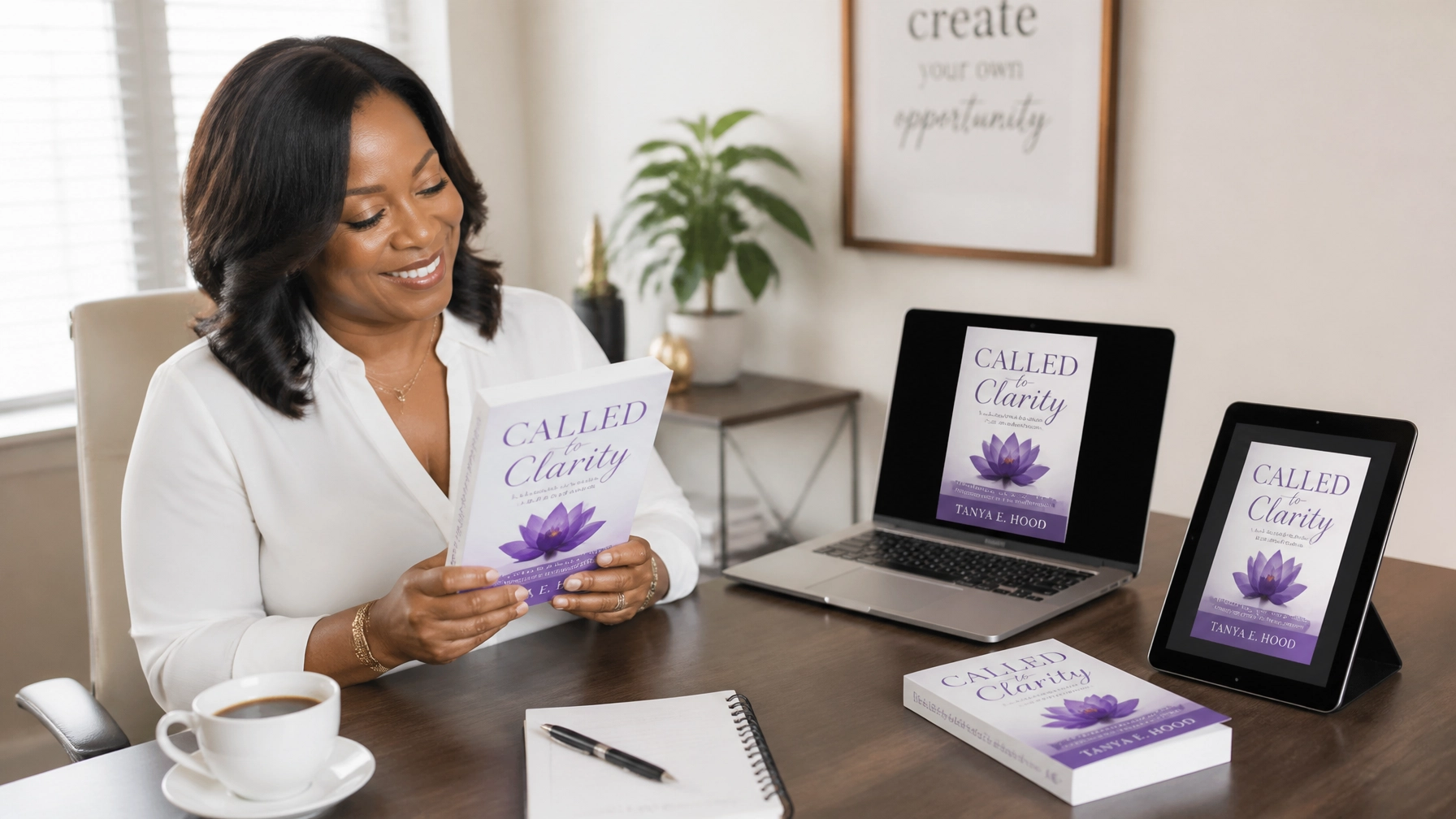

You’ve finally done it. You’ve typed “The End,” or perhaps you’ve finished that final chapter of your business manual. The adrenaline is pumping, but then the reality of the next step settles in: How do I actually get this into the hands of readers?
When I work with authors in my Book Coaching programmes, this is often where the “stuck” feeling returns. The world of self-publishing is no longer just about printing a few copies of a book and hoping for the best. In 2026, the “book” is a multi-format experience.
Choosing the right format isn’t just a technical decision; it’s a strategic one. Your choice affects your royalties, your reach, and how your audience perceives your authority. To help you navigate this, I’ve broken down the four main self-publishing options for your first book.
1. Physical books: Paperbacks and Hardcovers
There is something irreplaceable about the weight of your own book in your hands. For many first-time authors, seeing their name on a physical spine is the moment it all feels “real.”
The Pros:
- Instant credibility: Having a physical book is like a premium business card. If you are a speaker, coach, or professional, handing over a physical copy at an event carries far more weight than sending a digital link.
- Event-ready: If you plan to do book signings, library talks, or sell from the back of the room at a seminar, you need physical stock.
- Giftability: People still love to buy physical books as gifts. It’s hard to wrap an ebook with a bow!
The Cons:
- Logistics and cost: Even with Print-on-Demand (POD) services like Amazon KDP or IngramSpark, physical books have higher production costs than digital. You have to account for printing fees and shipping, which eats into your profit margins.
- The formatting learning curve: Physical books require precise interior formatting (margins, gutters, bleed). If you get this wrong, your book will look like a “homemade” project rather than a professional product.
My coaching tip: Don’t let the fear of formatting stop you. If you’re feeling overwhelmed by the technical side, my Self-Publishing Course walks you through the exact steps to get a professional finish.

2. Digital Books: Ebooks
If you want the fastest route to a global audience with the lowest possible overhead, ebooks are your best friend. Platforms like Amazon Kindle, Apple Books, and Kobo have made it possible to reach readers in hundreds of countries with a single upload.
The Pros:
- High royalties: On Amazon, you can earn up to 70% royalties on ebooks priced between $2.99 and $9.99. Compared to traditional publishing (where you might see 7-10%), this is a massive win for indie authors.
- Instant gratification: Readers can buy and start reading your book in seconds. This makes “impulse buys” much more likely.
- Low barrier to entry: You don’t have to worry about print costs or inventory. If you find a typo, you can update the file and re-upload it in minutes.
The Cons:
- Price sensitivity: Ebook readers expect lower prices. If you price your ebook too high, you might struggle to gain traction against established authors.
- Intangibility: It’s harder to build a “collector” brand with digital only. You are essentially selling a file, not a keepsake.
Coaching tip: I recommend starting with an ebook and a paperback simultaneously. It gives you the best of both worlds: global reach and physical authority.

3. Audiobooks: The fastest growing market
We live in a world of commuters, gym-goers, and busy professionals. Many people who say they “don’t have time to read” actually consume dozens of books a year via audio.
The Pros:
- Tap into new audiences: You reach the people who would never sit down with a physical book but will listen to you for hours while they drive or cook.
- Premium pricing: Audiobooks often retail at a higher price point than ebooks, and because the market is less saturated than the ebook market, it’s easier to stand out.
- Personal connection: If you narrate your own book (especially for non-fiction or memoirs), you build an incredible level of trust and intimacy with your listener.
The Cons:
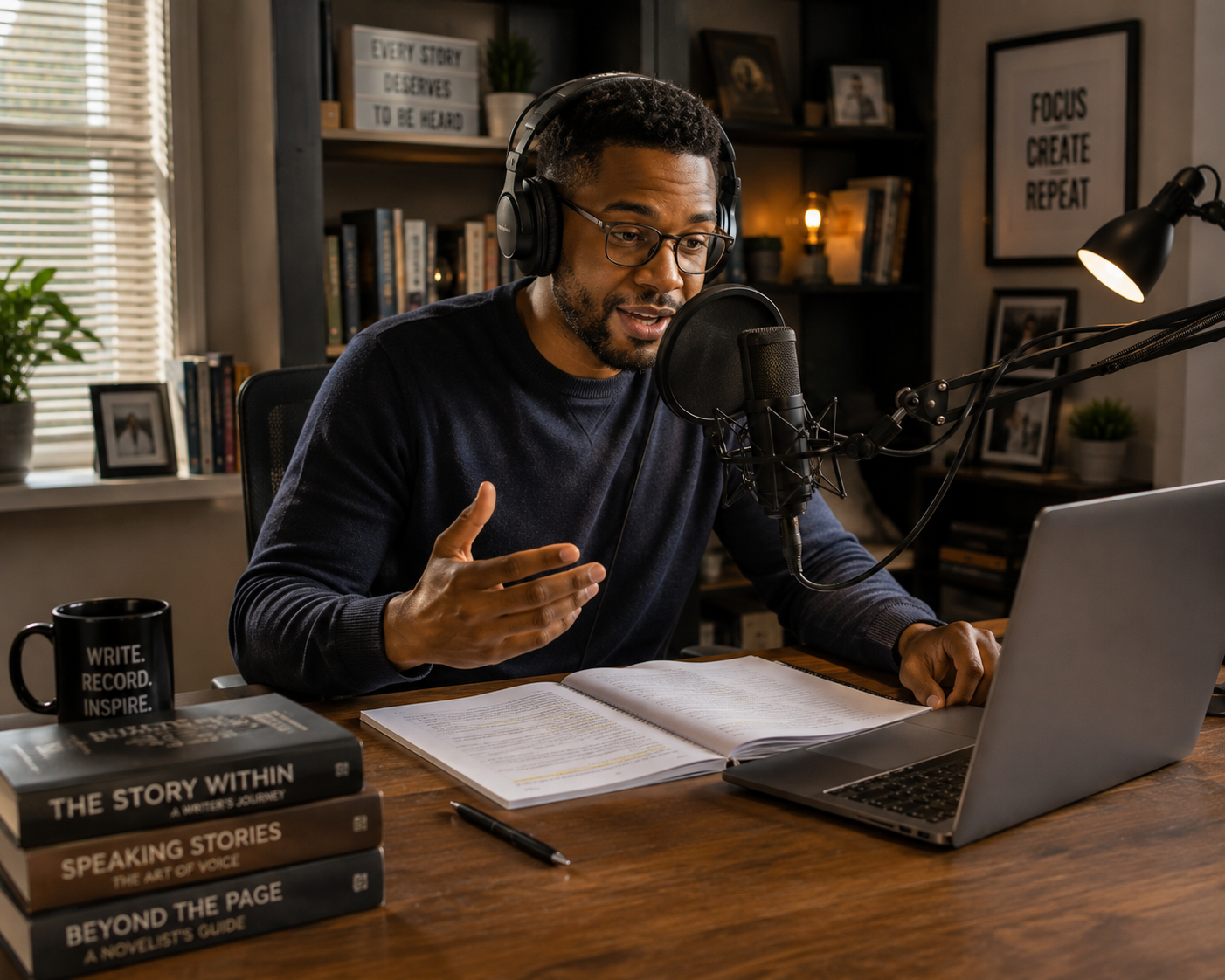
- Production difficulty: This is the most challenging format to produce. You need a quiet space, a high-quality microphone, and significant editing skills: or the budget to hire a professional narrator and engineer.
- Longer timelines: Recording 50,000 words takes a long time. Then comes the mastering to meet the strict standards of platforms like Audible (ACX).
Reality: Expect hard work here. Recording an audiobook isn’t just reading aloud; it’s a performance. If you aren’t prepared for the “long game,” you might want to wait until your ebook and print versions have generated some revenue first.
4. Interactive resources: workbooks and journals
This is an often-overlooked area of self-publishing that is perfect for business owners and coaches. Instead of just a “reading” book, you create a “doing” book.
The Pros:
- Higher perceived value: A guided journal or a step-by-step workbook often commands a higher price than a standard paperback because it promises a specific transformation.
- Low text requirement: You don’t necessarily need 60,000 words. A high-quality workbook relies more on the quality of your prompts and exercises.
- Great lead magnet: You can use a smaller interactive book as a way to lead people into your higher-priced coaching or consulting services.
The Cons:
- Design heavy: These books need to look beautiful. You’ll need a good eye for layout or a professional designer to ensure there is enough space for people to write.
- Platform limits: Some ebook readers don’t handle interactive elements well, so these are often best kept as physical print books or downloadable PDFs.

Which format should you choose?
I would argue that for your first book, you don’t need to do everything at once. If you try to launch an audiobook, a hardcover, a workbook, and an ebook all on the same day, you’ll likely burn out before the launch party.
Here is my recommended roadmap:
- Start with digital and paperback: This is the standard for 90% of authors. It covers your global reach and your physical credibility.
- Add audio later: Once you have some sales and feedback, use that momentum to fund your audiobook production.
- Use interactive as a supplement: If you’re a non-fiction author, create a companion workbook six months after your main book launch to re-engage your audience.
Ask yourself these questions:
- Do I want readers to hold my book in their hands?
- Is speed important to me?
- Will my audience prefer listening rather than reading?
- Could an interactive workbook support my coaching or business?
- Which format best serves my readers right now?
There isn’t one perfect answer. The best publishing strategy is the one that supports your goals, your audience, and your long-term vision as an author.
Writing and publishing a book is a marathon, not a sprint. If you’re feeling overwhelmed by all these choices, remember that every successful author started exactly where you are: with a single manuscript and a lot of questions.
Ready to take the next step?
If you’ve finished your manuscript but feel overwhelmed by the publishing process, you don’t have to figure it out alone.
Whether you are just starting your first draft or you have a finished manuscript and aren’t sure which publishing path to take, I can help you navigate every stage of the journey.
- One-on-One Coaching: Contact me for any of my Book Coaching programmes for personalized, expert support.
- Creative Writing Courses: If you want to sharpen your skills first, check out my Creative Writing Course for Beginners.
Let’s turn that manuscript into a published reality, in whichever format fits your vision best.
Ready to get started? Schedule a call with Tolulope to discuss your ideas and goals. Let’s get your book out there!