
![[HERO] Raising Conscious Storytellers: Helping Kids Write About Big Topics Like Diversity and the Environment](https://cdn.marblism.com/-CaL3vS8INo.webp)
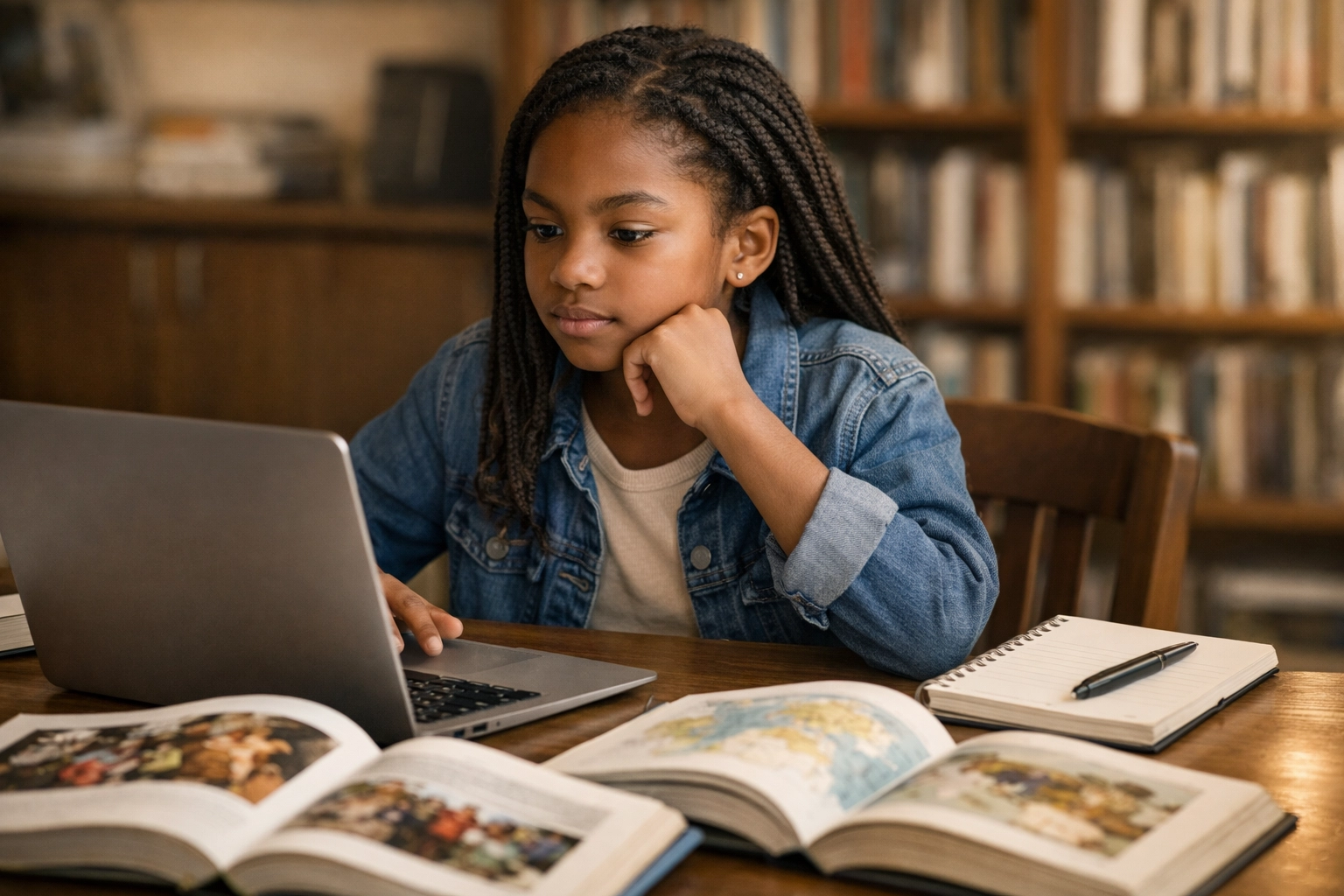
As parents, we often want to protect our children from the weight of the world. We want them to enjoy their childhood, filled with play, laughter, and imagination. But if you have a child between the ages of 10 and 15, you’ve probably noticed something: they are incredibly observant. They see the news headlines, they hear conversations about climate change, and they notice when someone is treated differently because of how they look or where they come from.
Instead of shying away from these “big topics,” what if we encouraged our children to process them through creativity?
I’ve always believed that storytelling is one of the most powerful tools we have for empathy. When a child writes a story about a character facing a challenge different from their own, or a world struggling with environmental collapse, they aren’t just “making things up.” They are developing a deeper understanding of the world and their place in it. They are becoming conscious storytellers.
Why storytelling matters for big issues
At Accomplish Press, we see creative writing for kids as more than just a hobby. It’s a way for young people to find their voice in a noisy world. When kids write about topics like diversity, inclusion, and the environment, they move from being passive observers to active participants.
Writing allows them to explore “What if?”
- What if the ocean could talk? What would it tell us about the plastic we throw away?
- What if a new student joined the class who didn’t speak the language? How would they feel on their first day?
By stepping into someone else’s shoes: or even the “shoes” of the planet: children build an emotional bridge. This is where real change starts.

Teaching diversity and inclusion through fiction
One of the most frequent questions I get as a kids writing coach is: “How do I help my child write about characters who aren’t like them without it being awkward?”
It’s a valid concern. We want to encourage representation, but we also want to avoid stereotypes. I tell my students that the key is curiosity. Instead of writing a “diverse character” just to have one, I encourage them to think about that character’s specific life, hobbies, and dreams.
If your child is writing about diversity, here are a few ways to guide them:
- Encourage research: Even for fiction, research is vital. If they are writing about a different culture or a person with a disability, help them find books or videos created by people from those communities. I’ve written before about why research is important even for fiction writers, and this applies to young writers too!
- Focus on shared humanity: While the character’s background is important, their feelings are universal. Everyone knows what it feels like to be lonely, excited, or scared.
- Ask questions: Instead of telling them what to write, ask: “Why does your character feel this way?” or “What is something special about their heritage that they are proud of?”
Turning climate anxiety into creative action
Environmental conservation is a massive topic that can often feel overwhelming for kids. We call it “climate anxiety,” and it’s a real thing for the younger generation. Writing can be a fantastic outlet for these fears.
In a creative writing class for kids, we might explore a genre of fiction that imagines a future where technology and nature live in harmony. This shifts the narrative from “the world is ending” to “how can we build a better world?”
Encourage your child to write stories where the protagonist solves an environmental problem. Maybe they invent a machine that cleans the air, or they lead a community movement to save a local forest. This gives the child a sense of agency. They realize that while the problems are big, their ideas and their voices matter.
The challenges of writing “big” topics
Writing about serious topics isn’t always easy. Sometimes kids get stuck. They might feel like their writing isn’t “good enough” to handle a topic as important as racism or global warming. They might worry about saying the wrong thing.
The best way to handle this is to remind them that first drafts are for getting ideas down, not for being perfect. There are no shortcuts to becoming a great writer. It takes practice, and it takes a lot of messy, “bad” writing to get to the meaningful stuff.
If your child feels overwhelmed, suggest they start small. They don’t have to write an epic novel about saving the planet. A short story about one person planting a single tree is just as powerful.
How parents can support the journey
You don’t need to be an expert writer to help your child. Your role is to be their first “fan” and a safe space for their ideas. Here is how you can help:
- Provide the right resources: Make sure they have access to diverse books and age-appropriate documentaries. If you’re looking for a way to jumpstart their journey, our guide “Your Child Has Stories to Tell” is a great place to start.
- Create a routine: Writing is like a muscle. It needs regular exercise. Even fifteen minutes a day can make a difference. We have some great tips for busy parents on balancing screen time and writing time if you’re struggling to fit it into the schedule.
- Don’t censor their ideas: Let them explore. Even if their story feels a bit dark or heavy, let them finish it. Writing is how they process the “heavy” stuff so it doesn’t stay bottled up inside.

Joining a community of young writers
Sometimes, kids need to hear advice from someone who isn’t their parent. They also benefit immensely from seeing that other kids their age care about the same things they do.
That’s why we created the Creative Writing Club for Kids and Teens. It’s a supportive, inspiring space where young writers can dive into these big topics under professional guidance. Whether they want to write about social justice, the environment, or just a really cool fantasy world, they’ll find the tools and the community they need there.
Seeing a child’s confidence grow as they finish a story they truly care about is one of the best parts of my job.

Final thoughts
Helping our children become conscious storytellers today, we are giving them the tools to navigate, challenge, and eventually improve the world they live in tomorrow.
Storytelling isn’t just about entertainment; it’s about impact. Whether your child is writing a poem about a melting glacier or a short story about a marginalized hero, they are practicing the empathy and critical thinking skills that will serve them for a lifetime.
If you’re ready to help your child take their writing to the next level, I’d love to help. I offer both one-to-one coaching programmes and group classes through our Creative Writing Club. Let’s work together to help your child tell the stories that need to be told.
Are you ready to support your young writer?
You can find more information about our Creative Writing Club for Kids and Teens or schedule a call with me to find out more. Let’s help them find their voice!